Do Automatic Car Washes Damage Car Paint? Brushes, Pre-Wash and Care
Explore EVA foam brushes, pre-wash, equipment maintenance and a balanced vehicle-care routine, with observations from ASIA WASH’s UNITI expo demonstration.
On this page
- Are Machine Brushes Safe?
- A Real-World Stress Test
- The Real Cause of Scratches: Dirt and Debris Stuck on Brushes
- Other Common Concerns: Chemicals and Water Pressure
- The Hidden Danger: Not Washing Often Enough
- Automatic Wash vs. Hand Wash: They Do Different Jobs
- A Simple Routine for a Shiny Car
- Explore the equipment behind the wash
Automatic car washes offer convenience for car owners, but many are concerned that they might damage the paint. In this article, we take a close look at the key factors that could affect your car’s paint, and explain a balanced care routine that keeps your paint protected.
Are Machine Brushes Safe?
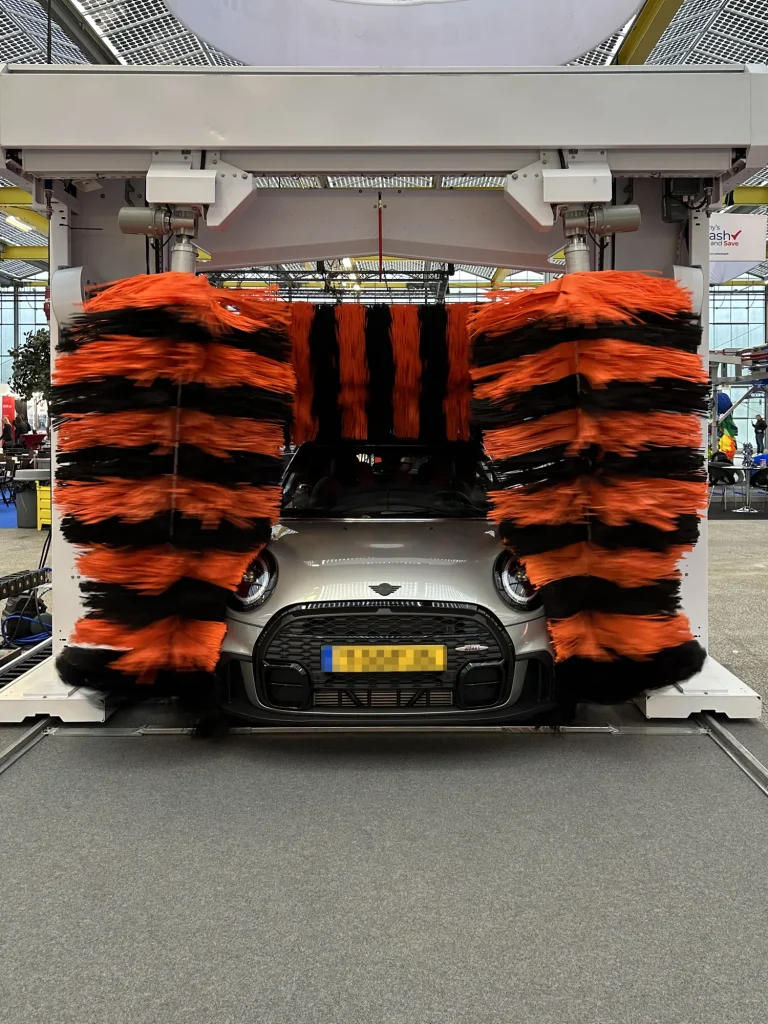
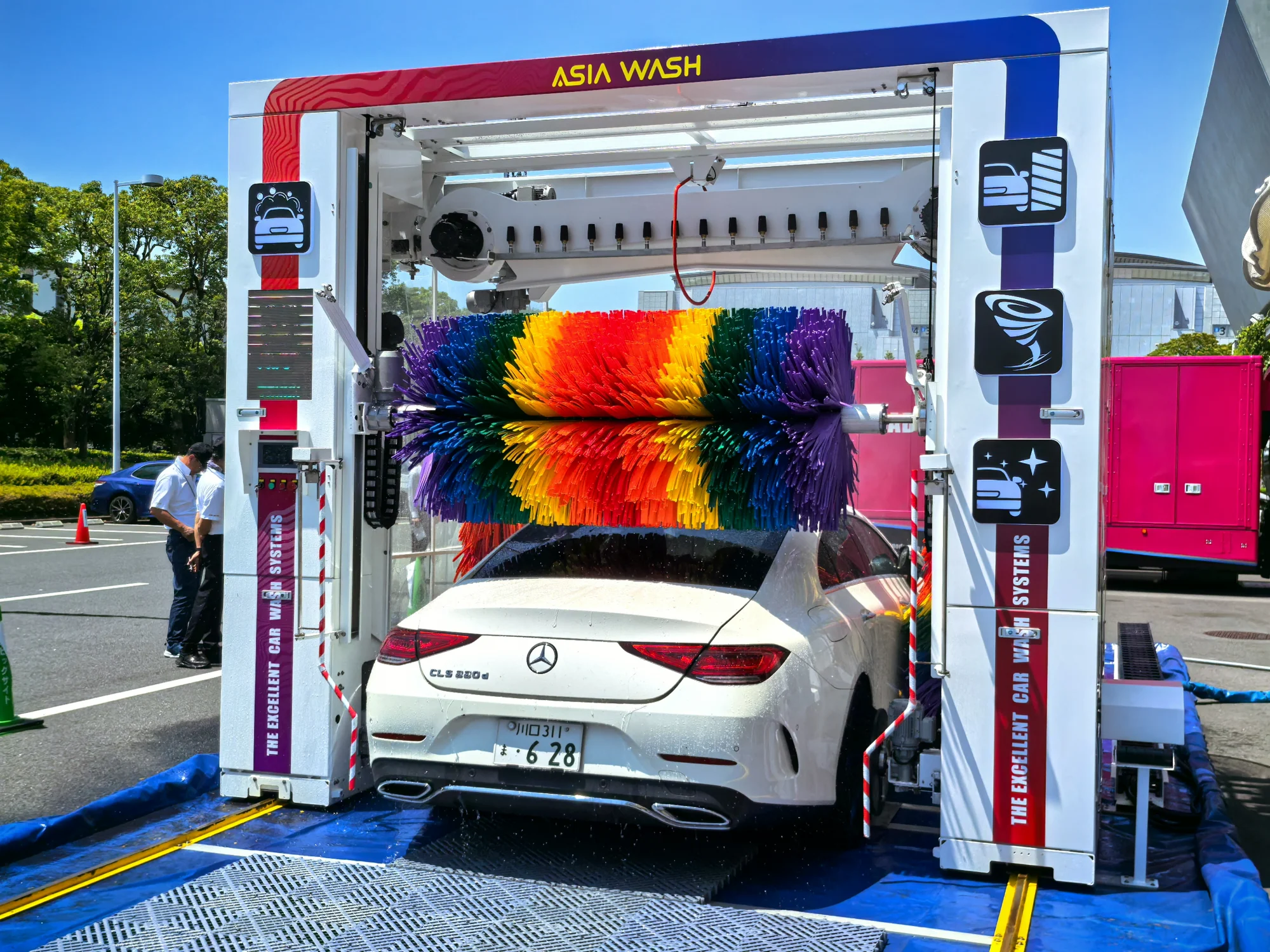
EVA foam brushes are widely used in automatic car washes. The soft, wear-resistant material can provide gentle cleaning when the equipment is correctly operated and maintained. Brush cleanliness, pre-washing and the condition of the vehicle paint all matter.
A Real-World Stress Test
At UNITI expo 2026 in Germany, ASIA WASH reports carrying out more than 150 dry wash cycles on the same car over three days. According to our exhibition team, visitors inspected the paint with phone flashlights at the end of the demonstration and no visible scratches were observed. This was a company demonstration under particular conditions, rather than a guarantee for every vehicle or wash process.
The Real Cause of Scratches: Dirt and Debris Stuck on Brushes
This is the most overlooked point in the entire car wash debate. Tiny scratches and swirl marks don’t come from the brush material itself – they come from dirt or debris that gets trapped on the brushes. When the brushes spin at high speed, those particles act like sandpaper against the paint and cause micro-scratches.
Crucially, this isn’t just a problem for machine washes. Hand washing with a sponge or towel that isn’t clean will also cause scratches.
Automatic car washes use these three methods to prevent the risk:
- Closed-cell foam: The brushes absorb very little water and will not trap dirt easily.
- Self-cleaning action: As the brushes spin, centrifugal force throws off dust and particles, keeping the surface cleaner.
- High-pressure pre-wash: A thorough pre-wash removes sand, grit, and debris before the brushes ever touch the car.
Note: These three methods only work when the equipment is properly maintained.
Other Common Concerns: Chemicals and Water Pressure
Paint can be damaged by both abrasion and chemicals. Some car owners prefer touchless car washes because they believe “no brushes means no harm.”
Touchless systems rely on water pressure and detergents to remove dirt without brush contact. Chemical suitability, concentration, contact time and rinsing must be controlled to protect the vehicle finish.
Some car owners also worry that the water jets might be powerful enough to harm the paint.
The supplied ASIA WASH guidance describes car wash pressure as typically below 100 bar, with lower pressure reaching the vehicle surface. Pressure alone does not determine safety: nozzle type, distance, vehicle condition and the correct operating procedure also matter.
The Hidden Danger: Not Washing Often Enough
Many car owners fall into this trap. They worry about washing-induced scratches, while the bigger threat is simply not washing the car enough.
Every day, your paint is exposed to bird droppings, tree sap, acid rain, winter road salt, and salty coastal air. When these contaminants sit on the surface, they gradually eat into the clear coat, causing permanent staining, fading, and tiny pits.
Here’s the key difference: fine scratches from improper washing can usually be polished out. But the chemical etching caused by leaving contaminants on the paint too long can be permanent – and far more expensive to repair.
Automatic Wash vs. Hand Wash: They Do Different Jobs
Many people see this as a choice between one or the other, but they actually complement each other.
Automatic car washes – for speed, value, and regular upkeep:
- Fast: a full exterior wash takes only 5 to 10 minutes.
- Affordable: cost per wash is low, and membership plans make frequent cleaning easy.
- Consistent: the machine delivers the same reliable process every time.
Main role: regular, quick cleaning to remove surface dirt and harmful buildup.
Hand wash – for deep cleaning and detailing:
- Hard-to-reach areas: hand washing can clean the dead corners that automatic car washes can’t reach.
- Interior cleaning: vacuuming, wiping down surfaces, and cleaning all the tight spots inside the car.
- Deep decontamination: removes stubborn brake dust, tar, tree sap, and old wax, then applies fresh protection.
Main role: a thorough, deep refresh performed every few months.
A well-maintained automatic wash can be part of a paint-care routine. Choose a properly operated facility, and follow the vehicle manufacturer’s care advice, especially for damaged paint or special finishes.
A Simple Routine for a Shiny Car
A practical routine is to use an automatic wash at least 2–3 times per month and complement it with a thorough hand wash every few months. This balanced approach will keep your vehicle shining and protected all year round.
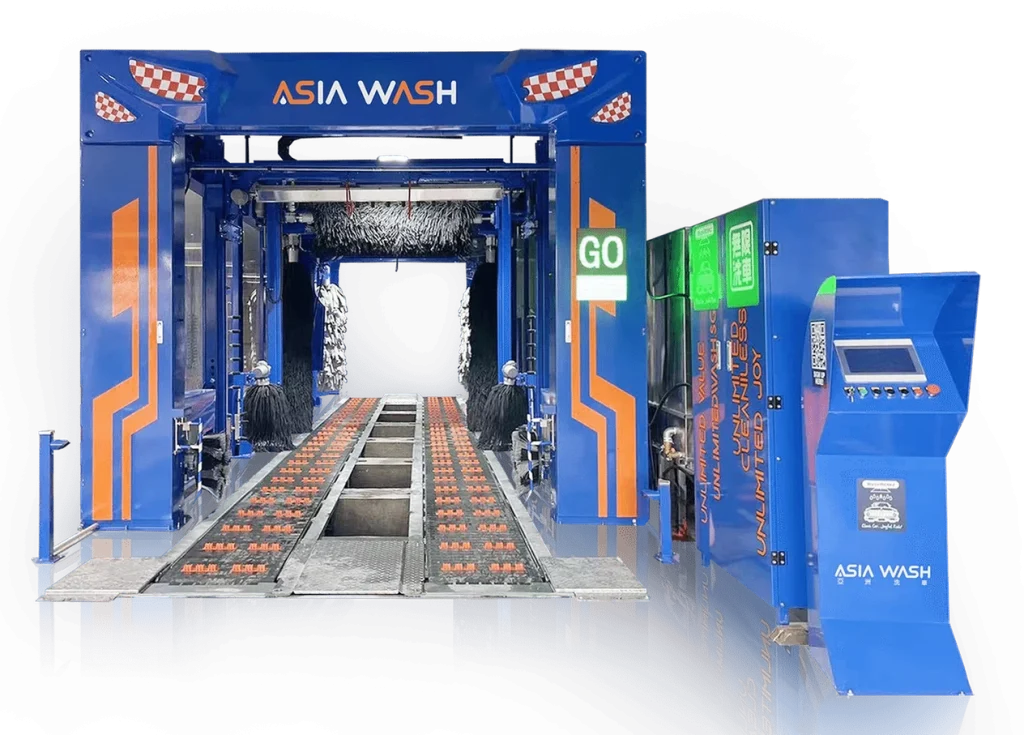
Explore the equipment behind the wash
Learn more about our rollover car wash system and tunnel car wash systems, or discuss your project with ASIA WASH.