How a Tunnel Car Wash Works: Stages, Equipment and Site Fit
Understand the stages and supporting equipment in a tunnel wash, from conveyor entry to rinsing and drying.
On this page
A tunnel car wash guides vehicles through a series of cleaning stages using a conveyor. The washing modules remain in place while the vehicle moves along the line. Understanding the process helps operators assess a proposal, identify the required utilities and explain the customer journey before installation.
Entry and conveyor positioning
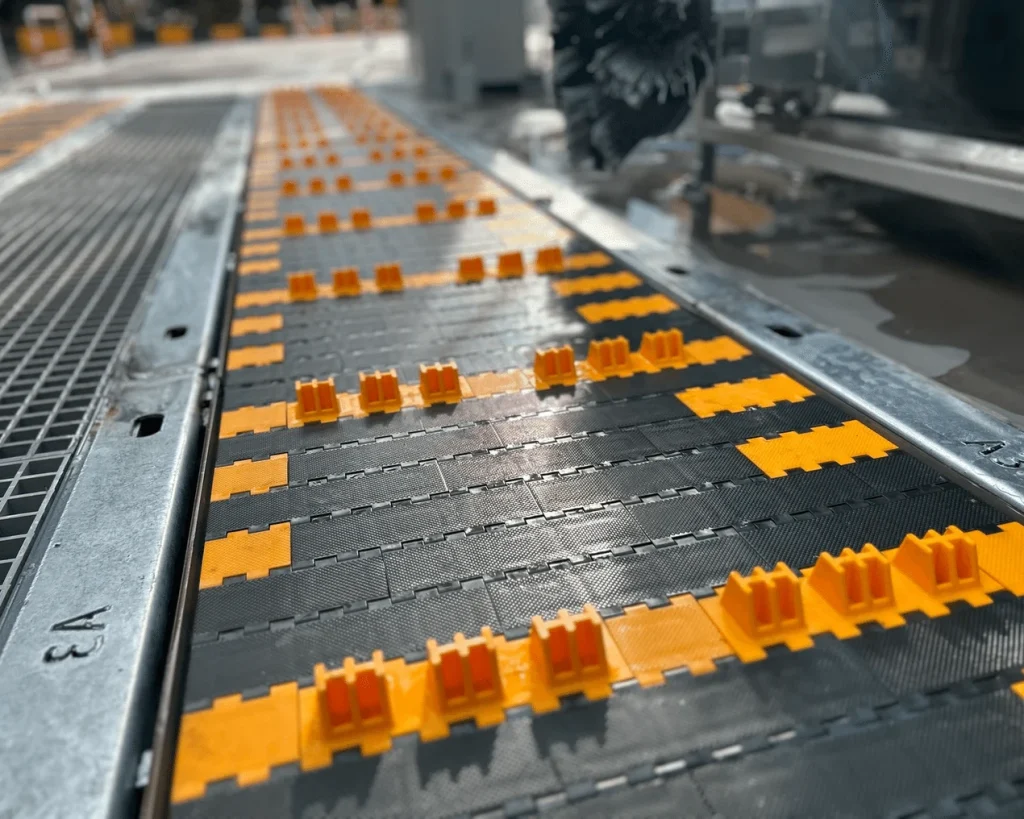
The entrance arrangement aligns the vehicle with the conveyor. Equipment, signs and staff procedures must communicate the correct entry steps. Whether a driver remains inside the vehicle, and the required transmission and braking settings, depend on the installed system. Follow its operating instructions rather than assuming all tunnels use the same procedure.
Cleaning stages and wash packages
A wash package may combine chemical application, high-pressure cleaning, brushes or soft-cloth elements, rinsing and drying. The order and number of modules vary. Some programmes include wheel cleaning or additional finish treatments; these should be identified in the agreed configuration. A touchless package and a contact-washing package need different cleaning approaches.
Rinsing and drying
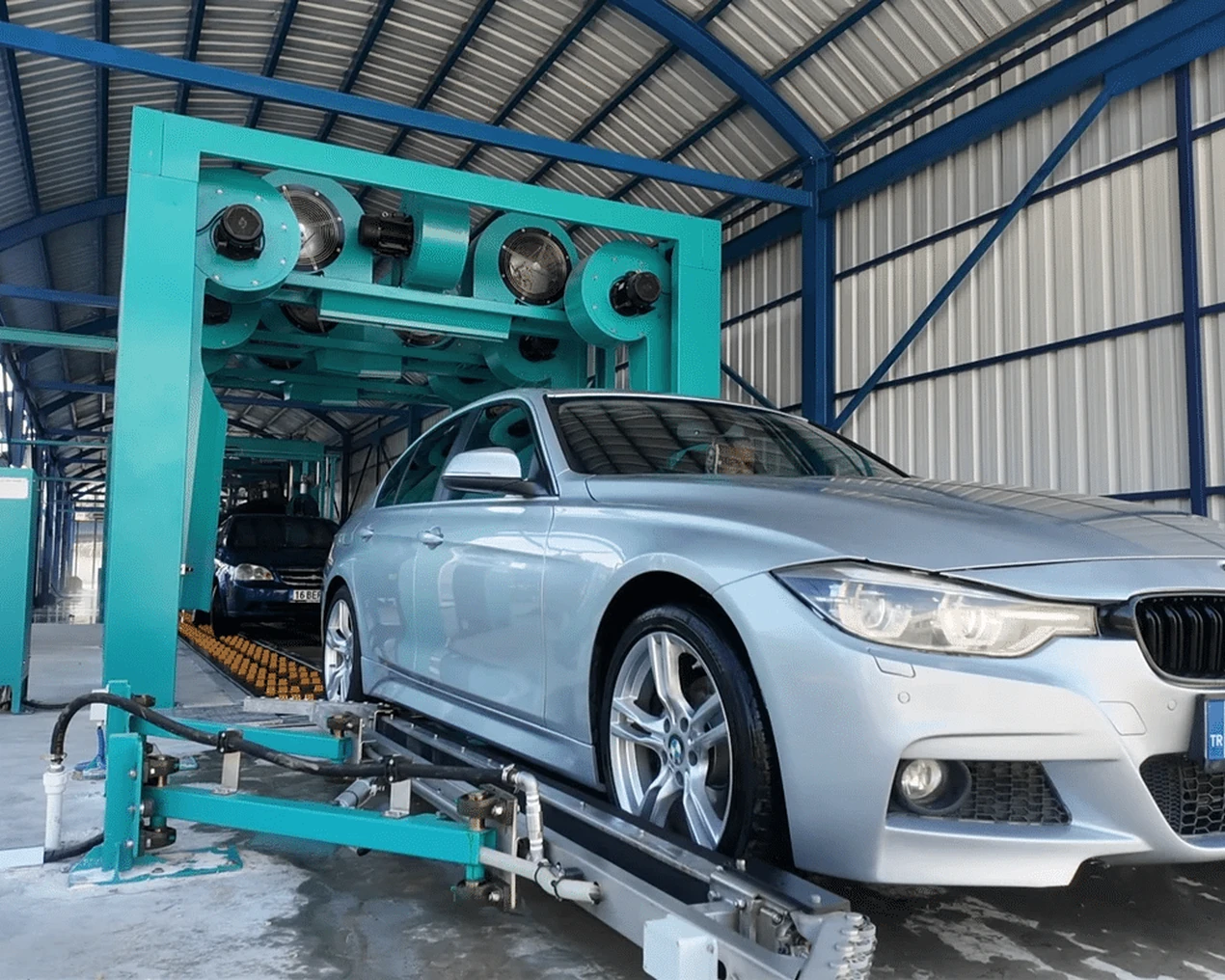
Rinsing removes cleaning-product residues before the drying stage. Final-rinse water quality influences the finish, while the blower arrangement and exposure time affect water removal. Drying performance also depends on vehicle shape and the wash programme. Discuss the expected result and how it will be evaluated for the vehicles using your site.
Systems working behind the wash line
- The conveyor manages vehicle movement and spacing.
- Pumps, piping and nozzles deliver water to the specified modules.
- Chemical dosing equipment supplies products according to the programme.
- Controls coordinate equipment operation and vehicle detection.
- Water treatment and drainage handle the water supply and collection requirements.
What determines throughput?
Nominal conveyor speed is only one factor. Vehicle entry, spacing, programme settings, exit flow and interruptions all affect practical capacity. Ask whether a quoted figure describes a machine rating, a particular wash programme or an observed site result. Check the assumptions before using it in a staffing or revenue model.
Is a tunnel suitable for your site?
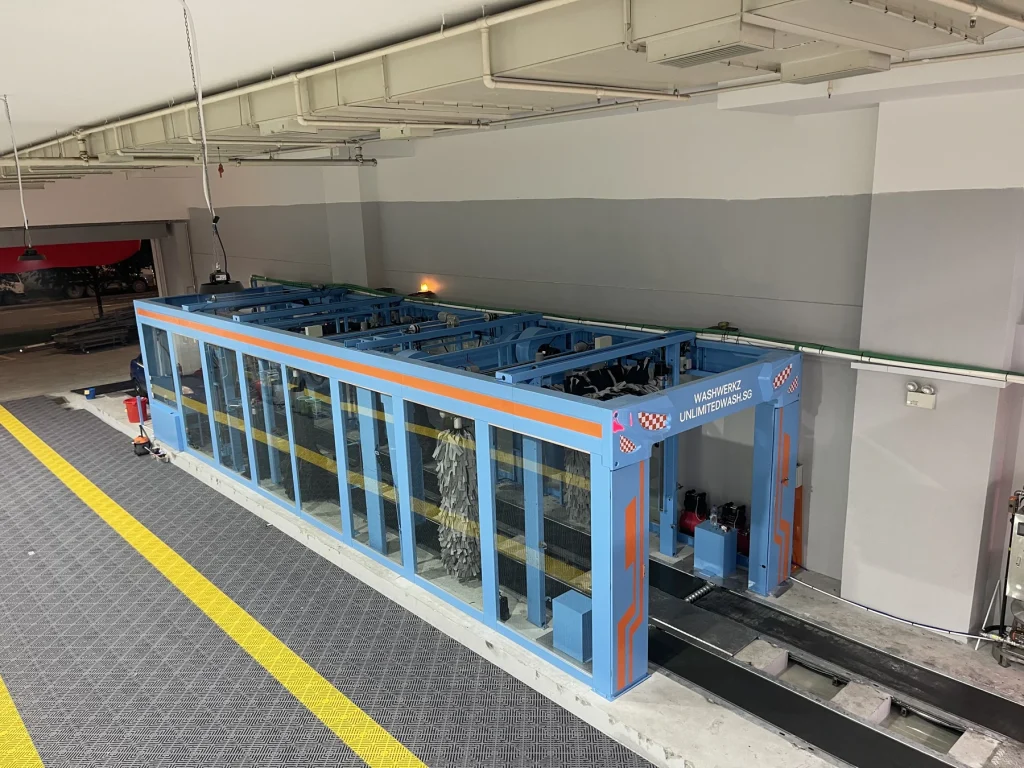
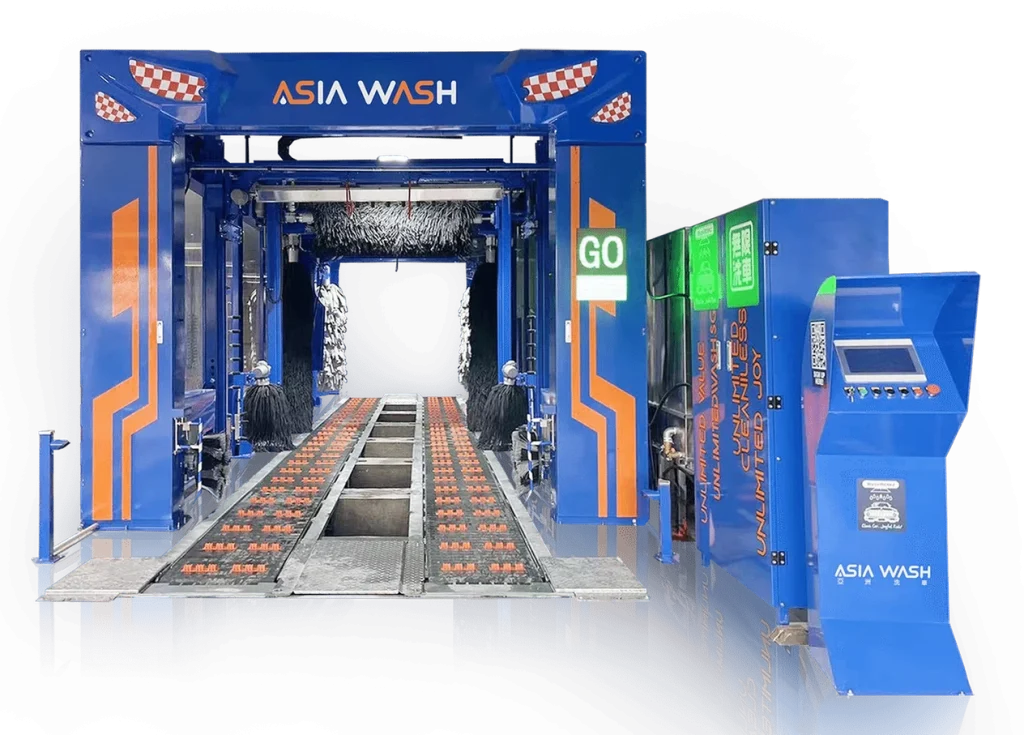
Review the line length, foundation arrangement, queue capacity and utility connections together. A raised or customised conveyor may be an option for some locations, but feasibility requires a site review. See the ASIA WASH tunnel system and our Singapore installation case for equipment and project examples.
Related reading
- Comparing tunnel, rollover and self-service systems
- Planning a shallow-foundation tunnel installation
Discuss your equipment requirements
Share your vehicle range, site drawings and operating priorities with ASIA WASH. Explore the equipment range or contact the team to discuss a suitable configuration and the information needed for a proposal.