Tunnel vs Rollover vs Self-Service: Choosing a Car Wash System
Compare tunnel vs rollover and self-service car wash systems by site layout, vehicle flow, equipment scope and operating requirements before choosing a system.
On this page
A commercial wash site needs an equipment format that fits its space, demand and operating plan. Tunnel, rollover and self-service systems organise vehicle movement differently, so comparing only the machine price can hide important layout and staffing differences. Use this guide to build a practical shortlist before requesting quotations.
Tunnel: a conveyor-based washing line
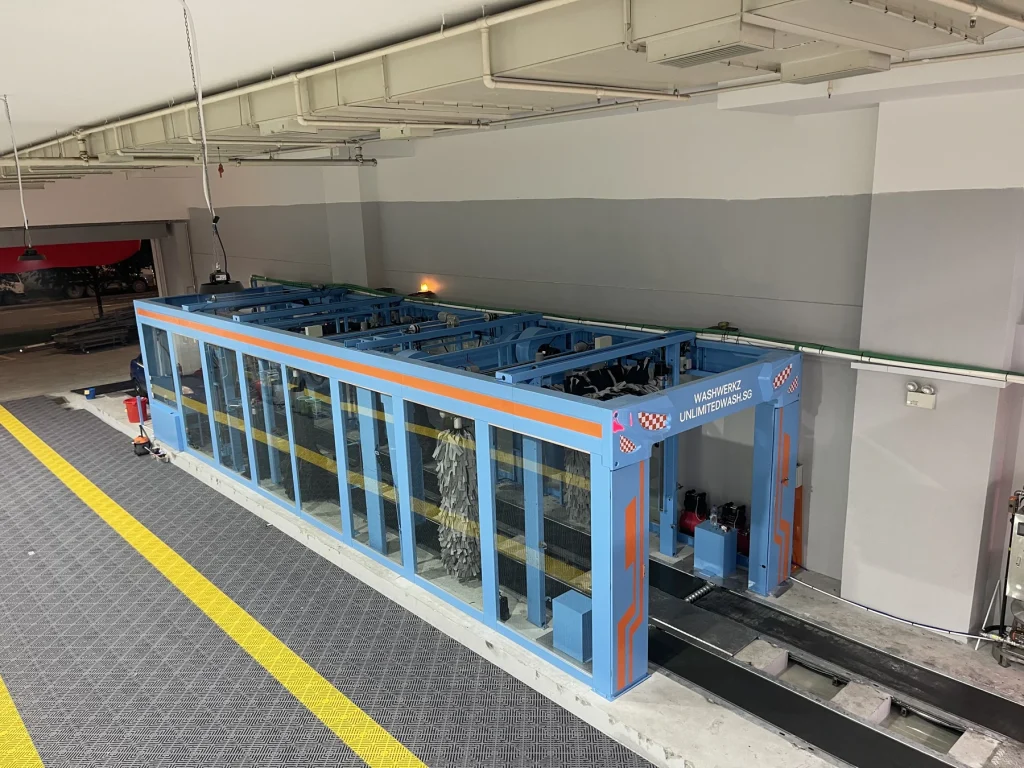
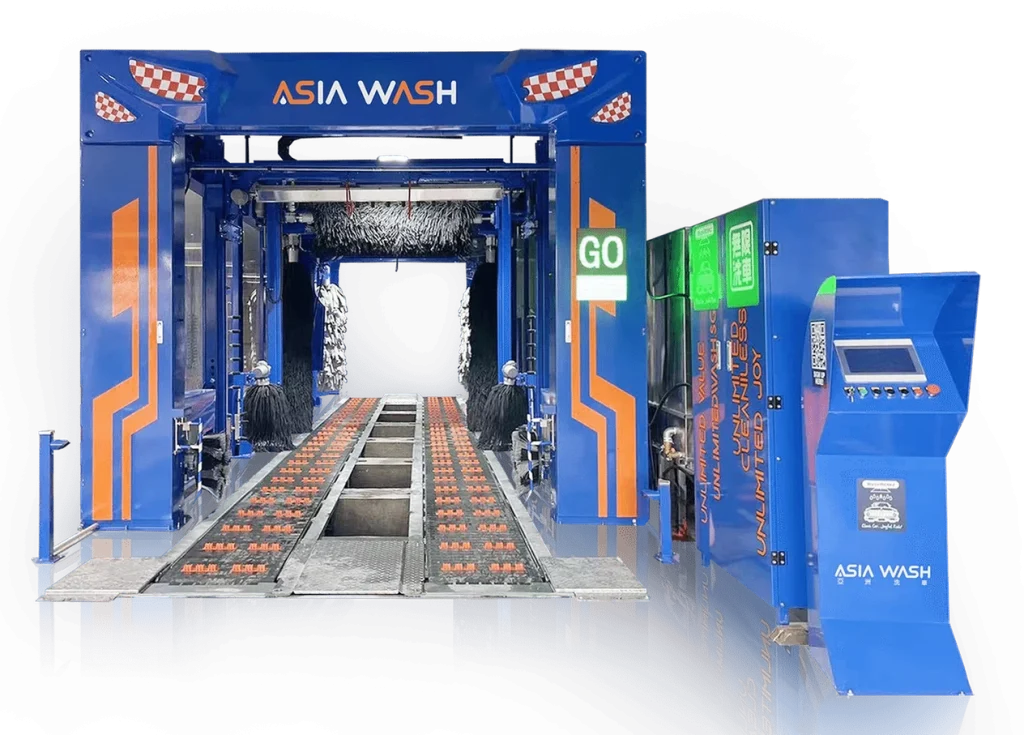
In a tunnel wash, a conveyor carries vehicles through fixed washing stations. Several vehicles may be in the line together, making this format suitable for sites with sustained demand. Capacity depends on conveyor speed, vehicle spacing, the wash package and the way customers enter and leave the line. A long machine does not automatically produce a high daily vehicle count.
Rollover: the machine moves around one vehicle
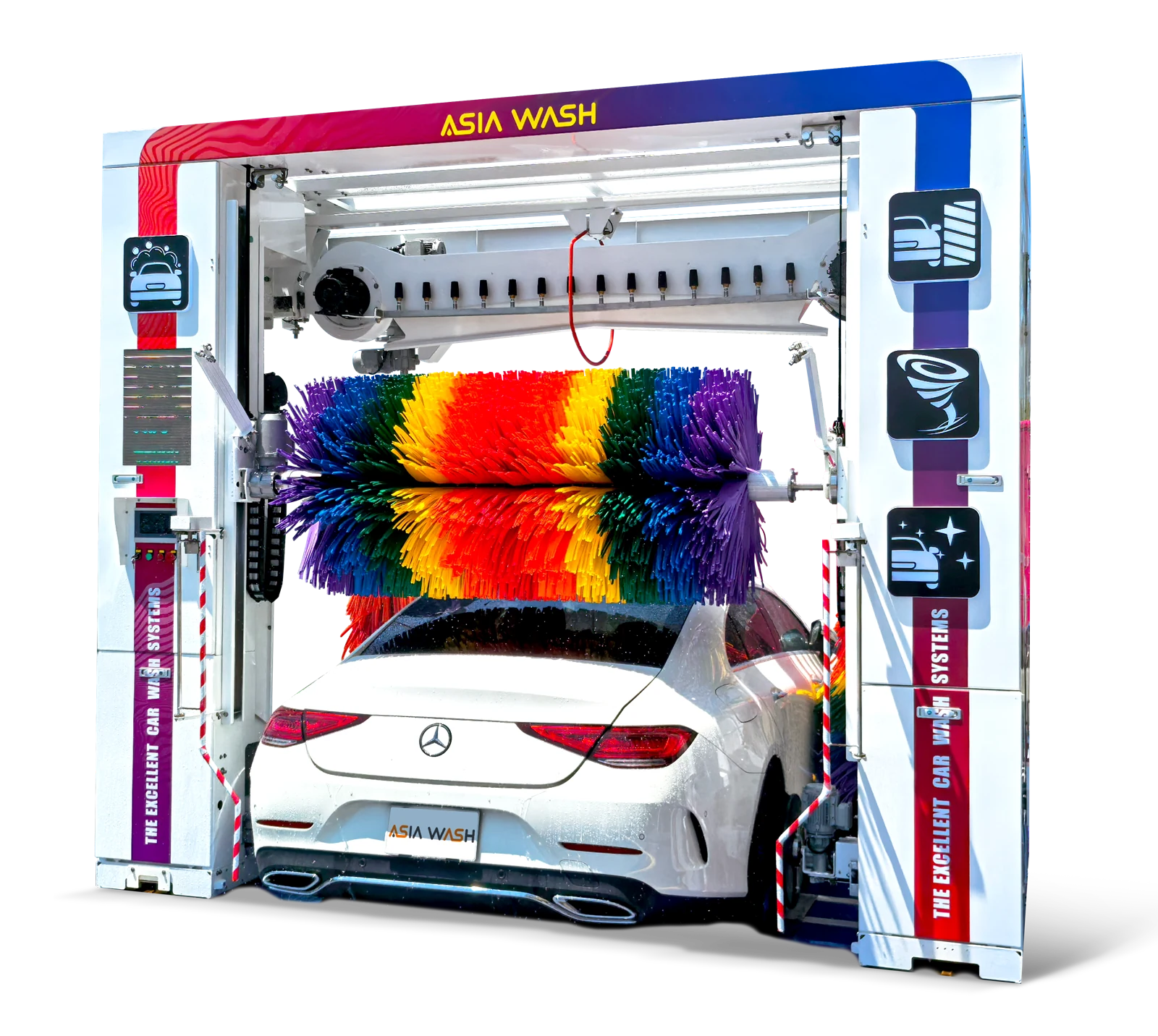
A rollover, also called an in-bay automatic or gantry wash, works around a stationary vehicle. This can suit a site where the available footprint is compact. Each bay handles a wash cycle individually; assess the selected programme, positioning time and queues when estimating capacity. Multiple bays can change the comparison with a single tunnel.
Self-service: the customer controls the wash
Self-service bays provide tools such as a high-pressure gun for customers to wash their own vehicles. Session length and the number of bays influence site capacity. Staffing for cleaning, consumables, payments and maintenance still needs to be planned. Equipment cost and customer spending vary with the installation and local market.
Compare the operating model
| Format | Vehicle movement | Layout focus | Capacity depends on |
|---|---|---|---|
| Tunnel | Conveyor through fixed stages | Line length, approach and exit | Spacing, speed, package and loading |
| Rollover | Stationary in the bay | Bay clearance and queuing | Programme time and number of bays |
| Self-service | Customer uses wash tools | Bay access and customer circulation | Session length and number of bays |
Build the shortlist from your site
- Measure usable space, entrance and exit levels, and maintenance clearances.
- Estimate peak arrivals as well as average daily volume.
- Confirm the vehicle sizes and external accessories the equipment must accommodate.
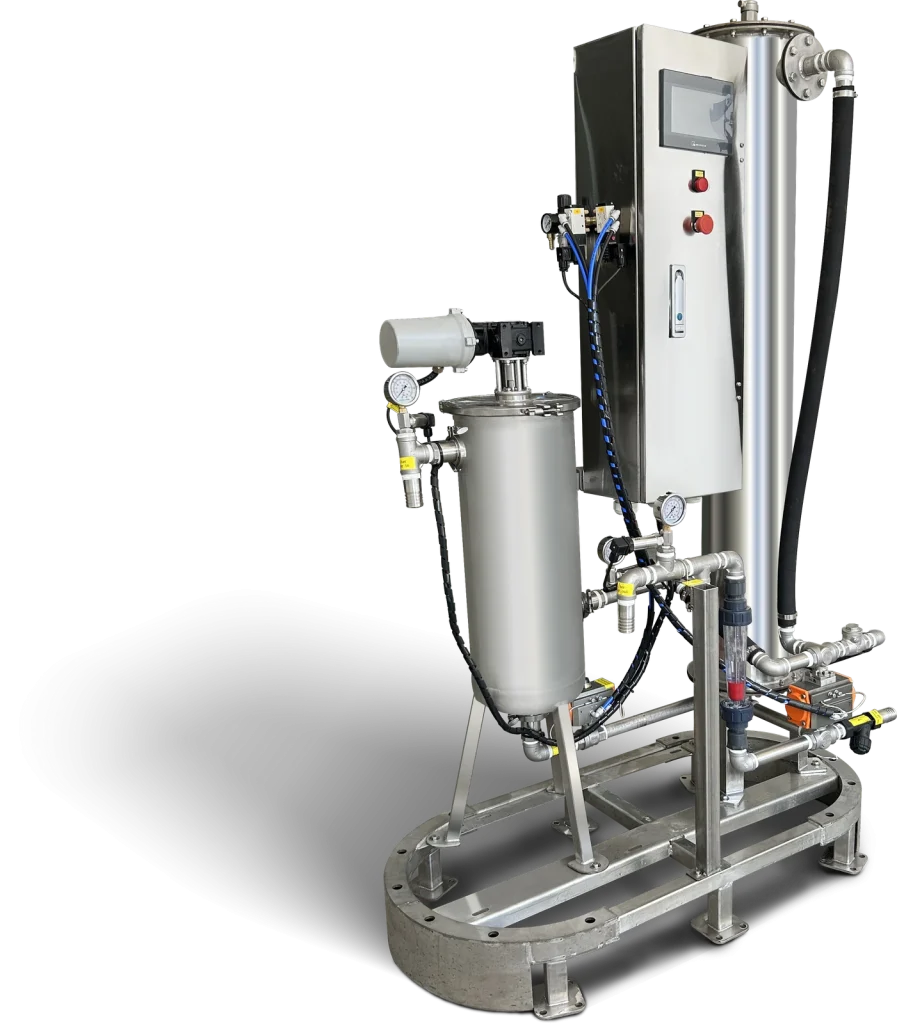
- Compare the complete installed scope: civil works, utilities, treatment equipment and support.
- Review wash quality, consumables and service access alongside throughput.
There is no universal ranking for lowest cost or best return. Compare proposals using the same assumptions and a defined wash package. The tunnel and rollover product pages provide a starting point for discussing equipment choices.
Related reading
Discuss your equipment requirements
Share your vehicle range, site drawings and operating priorities with ASIA WASH. Explore the equipment range or contact the team to discuss a suitable configuration and the information needed for a proposal.