Car Wash Business Planning: Site, Equipment, Costs and ROI
A practical checklist for planning the site, installed equipment scope, startup budget and operating assumptions of a car wash business.
On this page
Starting a car wash business requires a coordinated plan for the market, site, equipment and ongoing costs. A supplier quotation is an important input, but it is not the complete project budget. This guide outlines the information to assemble before making an equipment decision or preparing a financing application.
1. Understand demand and access
Review local competitors, customer expectations, traffic patterns and the ability of drivers to enter and leave the site. Separate peak demand from daily averages. Allow space for queues without blocking roads or neighbouring businesses, and consider how customers move from payment to washing and finishing areas.
2. Choose a format and define the scope
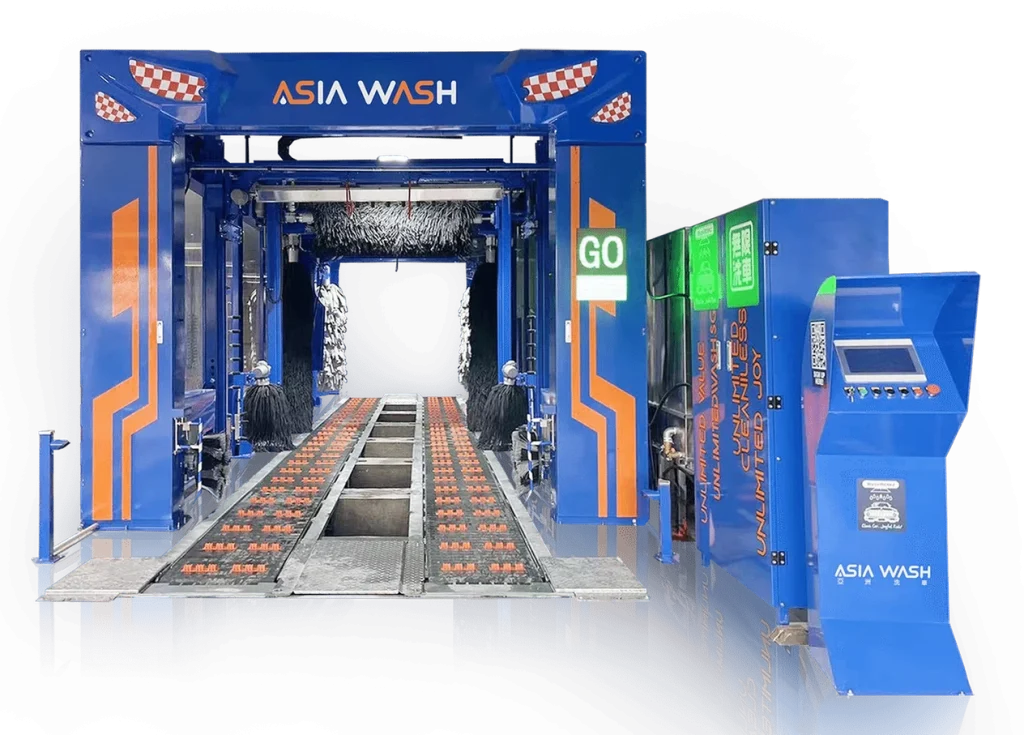
Shortlist a tunnel, rollover or self-service arrangement based on usable space and the operating model. Define the vehicle range, cleaning package and utility requirements. Specify which party supplies civil works, installation, commissioning and operator training. Comparing quotations with different scope can produce a misleading price comparison.
3. Separate startup and operating costs
- Startup items: site acquisition or lease setup, design, approvals, civil works, equipment, transport, installation and opening supplies.
- Recurring items: rent, labour, utilities, chemicals, routine maintenance, insurance, software services and marketing.
- Reserves: opening working capital, replacement parts and an allowance for costs not yet fixed by quotations.
Obtain location-specific estimates rather than applying a single global startup figure. The US Small Business Administration’s business-planning resources provide general background on preparing a business plan; local professional advice is needed for the actual project.
4. Model revenue and test assumptions
Record expected paid washes, average realised revenue per wash, discounts, memberships and any additional services. Avoid counting the same membership revenue twice. Compare conservative, expected and busier trading scenarios. Include the opening ramp-up, seasonal changes and periods when equipment is unavailable. A capacity rating alone is not a demand forecast.
Define what you mean by ROI or payback and keep the calculation consistent. An operating surplus before finance, tax or replacement spending is not the same as net profit. Have the project model reviewed using the costs, financing terms and accounting treatment that apply to your business.
5. Confirm utilities and local requirements
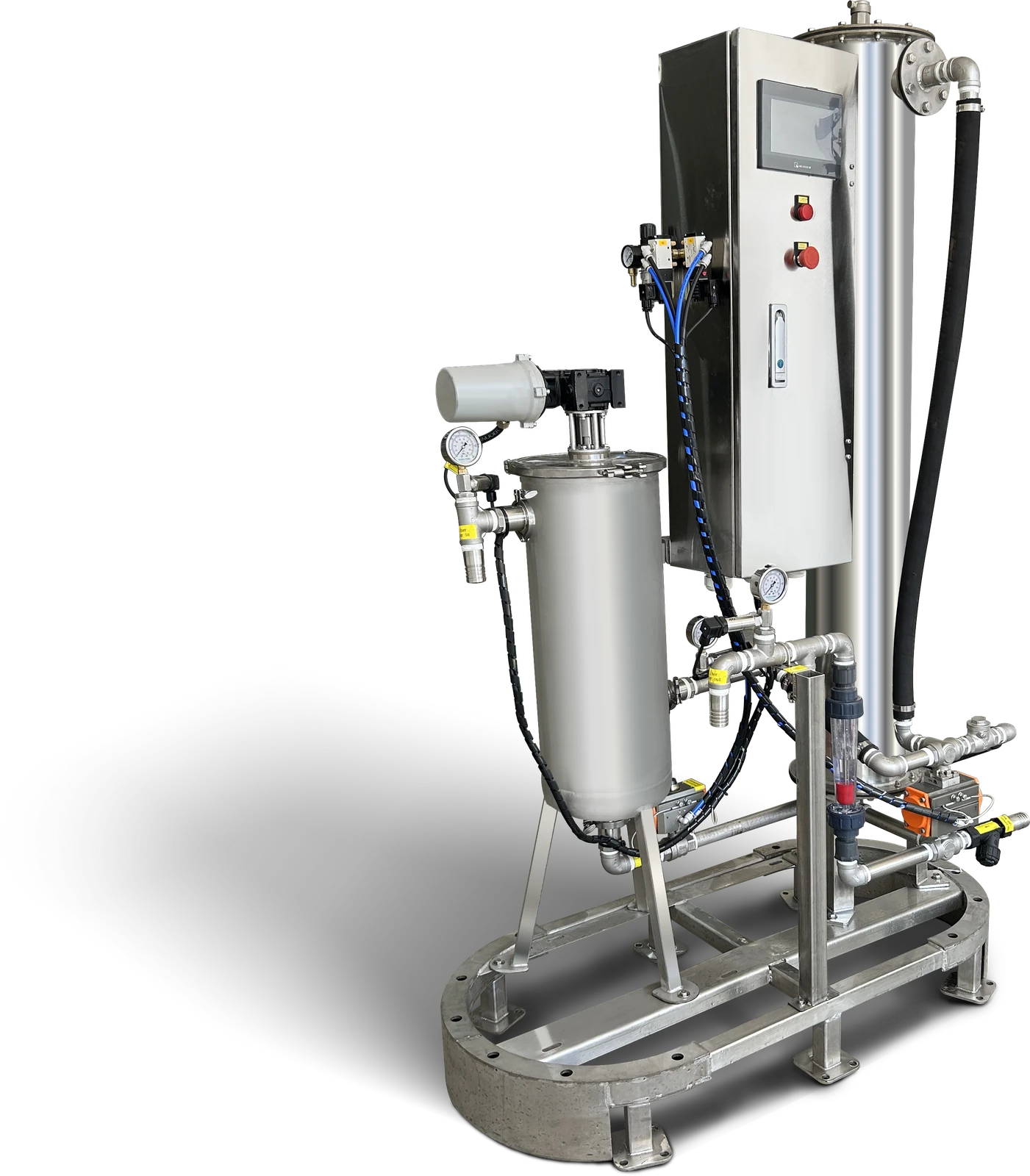
Check water availability, drainage, electrical supply, access and the approvals needed for the site. Discuss wastewater collection and treatment with the relevant local authority and project specialists. Water recycling can form part of the plan, but its treatment requirements and economics depend on the selected wash processes and site conditions.
6. Plan daily operation before opening
Prepare operator training, equipment checks, chemical replenishment, cleaning routines, spare parts and a process for customer enquiries. Reliable operation depends on people and procedures as well as machinery. Use these requirements when reviewing the supplier’s installation and support proposal.
Related reading
Discuss your equipment requirements
Share your vehicle range, site drawings and operating priorities with ASIA WASH. Explore the equipment range or contact the team to discuss a suitable configuration and the information needed for a proposal.