Car Wash Water Recycling and Energy Efficiency: A Planning Guide
Learn how to assess water reclaim, RO final-rinse treatment and energy use as parts of a complete car wash installation.
On this page
Water recycling and energy management should be evaluated as parts of the complete wash process. The aim is to use resources effectively while maintaining suitable water quality and equipment operation. Savings depend on the site, wash programmes, treatment system and maintenance, so start with measurements rather than a universal saving percentage.
Match reclaimed water to its intended use
Wash water can contain grit, oils, detergent residues and other contaminants. Treatment must address the incoming water and the quality needed for reuse. The US EPA WaterSense vehicle-wash guidance explains that separation of grit, oil and grease is a starting point, and that additional treatment may be required for other wash stages. Reclaimed water should not automatically be connected to every rinse or chemical process.
Recycling and final-rinse treatment serve different needs
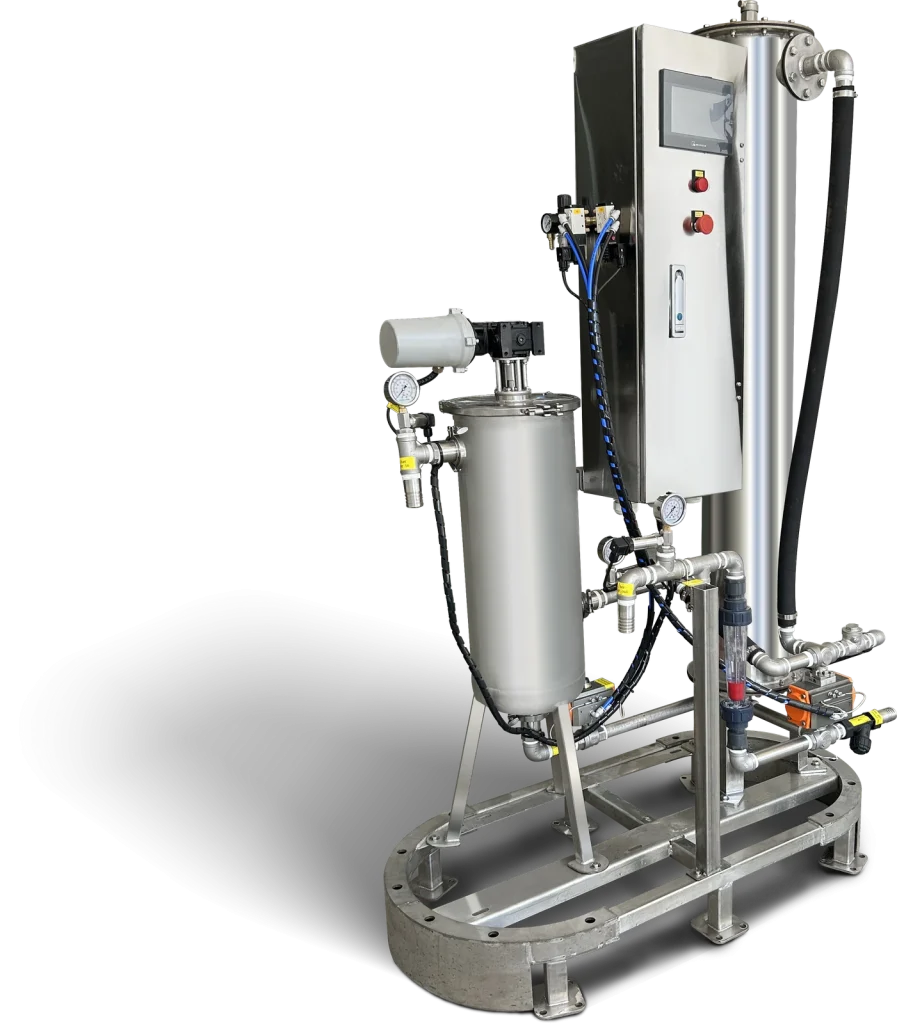
Water reclaim aims to reuse collected wash water. Final-rinse treatment addresses the water quality needed for the finish. Reverse osmosis can be used in a final-rinse supply, but its suitability, capacity and reject-water handling need to be reviewed for the source water and wash demand. A recycling unit and an RO unit are not interchangeable purchases.
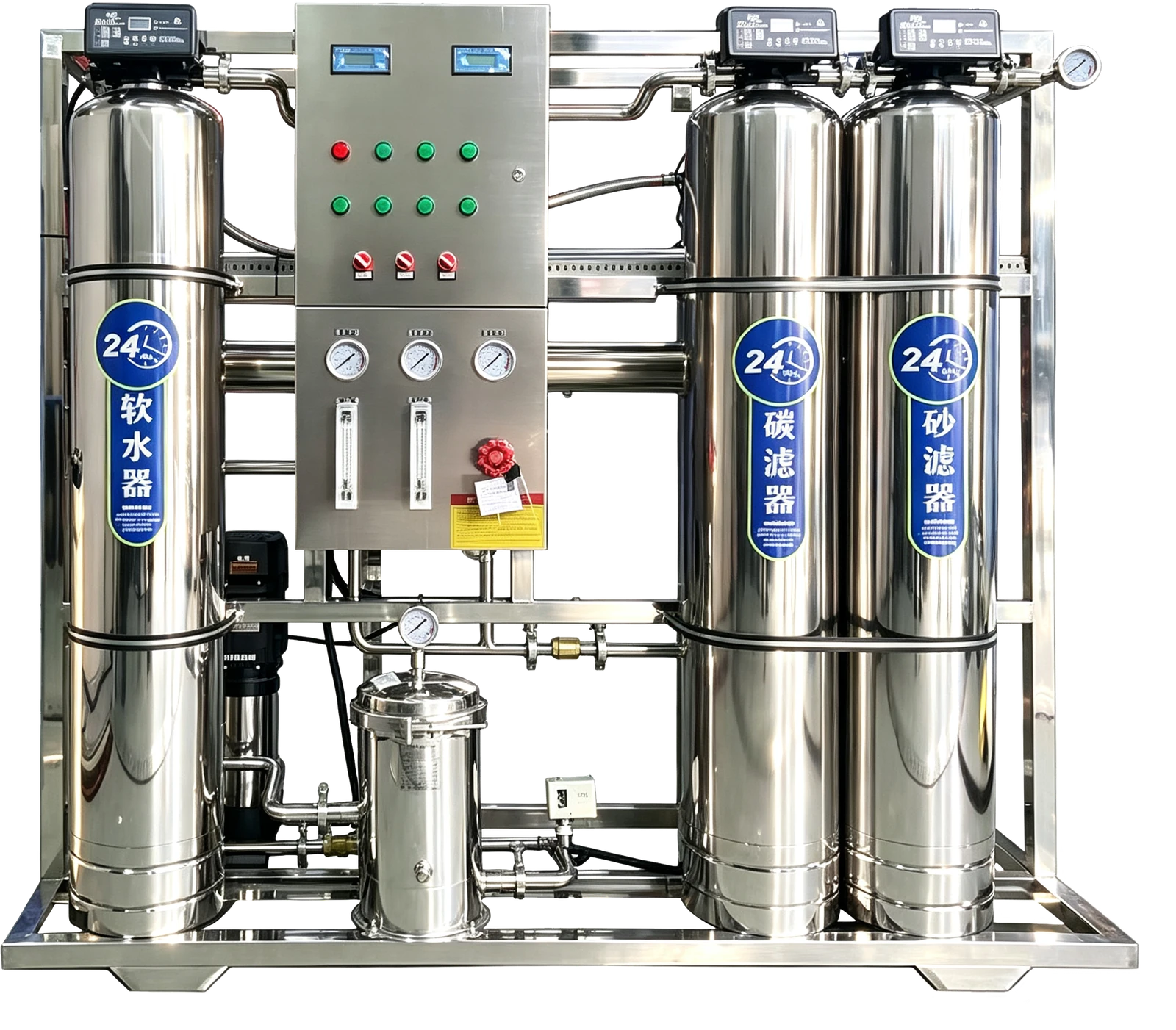
Measure the whole installation
- Fresh-water input and the wash stages that consume it.
- The volume and quality of water supplied by the reclaim system.
- Treatment consumables, filter servicing and waste handling.
- Electricity used by washing, drying and treatment equipment.
- The number of paid washes and the programmes selected during the measurement period.
Measurements are useful only when the comparison is like for like. Record the vehicle mix, operating period and selected programmes alongside utility readings. When evaluating a retrofit, include the additional pumping, treatment and service costs rather than treating avoided fresh-water use as pure profit.
Review controls and maintenance
Discuss pump sizing, motor operation, vehicle detection and idle running with the equipment supplier. Correctly timed operation can reduce unnecessary running without changing the agreed wash sequence. Inspect leaks, nozzles and treatment components as part of the maintenance plan. Adjustments should follow the installed equipment’s operating instructions.
What to request in a proposal
Ask which wash stages use reclaimed water, what treatment is included, the required footprint and pipe connections, and how the system is monitored and serviced. Request consumption assumptions for the specific wash programme. Confirm local wastewater and reuse requirements with the appropriate authority; equipment alone does not establish compliance.
Further reading
See US EPA WaterSense at Work: Vehicle Washes for background on water reclamation and vehicle-wash efficiency. These general resources do not replace the site-specific treatment design.
Related reading
Discuss your equipment requirements
Share your vehicle range, site drawings and operating priorities with ASIA WASH. Explore the equipment range or contact the team to discuss a suitable configuration and the information needed for a proposal.