OEM vs ODM Car Wash Equipment: A Practical Sourcing Guide
Understand buyer-led specifications and supplier platforms, then compare the development, documentation and support included in an equipment proposal.
On this page
OEM and ODM describe different approaches to sourcing and product development, but suppliers do not always use the terms in the same way. For car wash equipment, the useful question is what the proposed arrangement includes: design work, configuration, branding, documentation, software, installation and ongoing support.
OEM: production to an agreed specification
In a buyer-led OEM arrangement, the manufacturer produces equipment against an agreed design or specification. The buyer may supply design information or request development work. Branding, engineering responsibility and design rights still need to be documented. The label does not by itself establish who owns every drawing or software component.
ODM: adapting a supplier platform
An ODM arrangement typically starts from a supplier-developed platform. The buyer may select modules, appearance or branding rather than commission a completely new machine. This can reduce the amount of new development, but delivery time and total cost depend on the changes requested, approvals and production capacity.
Compare the actual proposal
| Question | Buyer-led specification | Supplier platform |
|---|---|---|
| Starting point | Agreed buyer requirements or design | Existing supplier design |
| Development work | Define engineering tasks and approvals | Define changes to the platform |
| Rights and documentation | Specify in the agreement | Specify in the agreement |
| Delivery programme | Depends on design and validation scope | Depends on changes and availability |
Information to include in the specification
- Vehicle dimensions, site constraints and the required wash package.
- Branding, colours, labels and the languages needed for controls and documentation.
- Electrical and water requirements for the destination site.
- Requested conformity documents and the agreed inspection and acceptance process.
- Installation responsibilities, training, warranty scope and spare-parts arrangements.
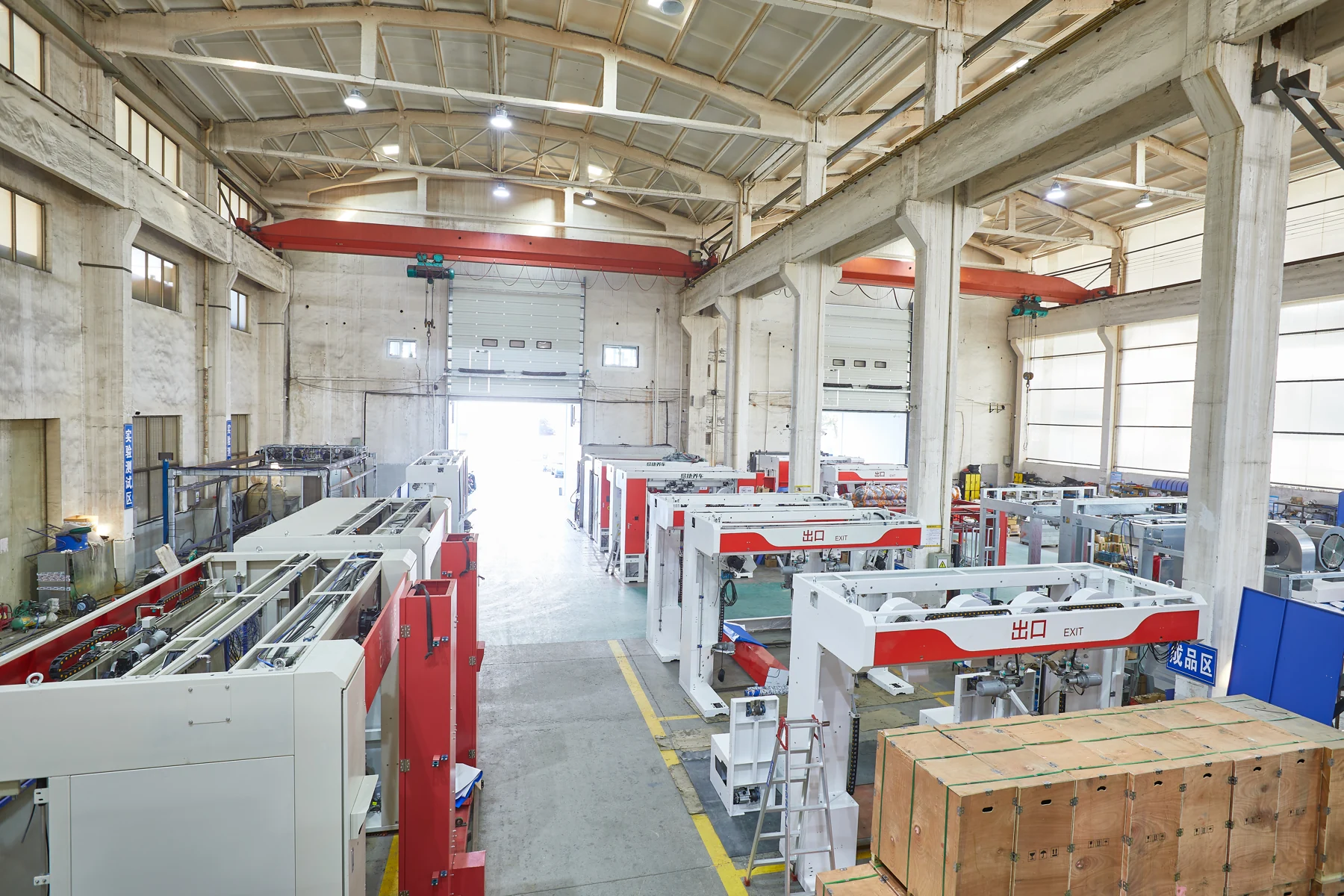
Plan the relationship beyond delivery
Clarify how configuration changes, software updates and replacement parts will be handled. Ask which components can be substituted and who approves revisions. For distributors, consider how technical information reaches installers and end customers. Review any exclusivity or design-rights terms with the appropriate advisers before finalising the agreement.
Discuss configuration before choosing a label
A project may combine an existing equipment platform with site-specific modifications. Describe the required result first, then ask the supplier to explain the development and production route. ASIA WASH can discuss equipment requirements and available configurations for your project; the scope should be established in a written proposal.
Related reading
Discuss your equipment requirements
Share your vehicle range, site drawings and operating priorities with ASIA WASH. Explore the equipment range or contact the team to discuss a suitable configuration and the information needed for a proposal.